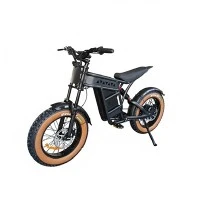
When it comes to exploring the winter wonderland, an electric fat bike is a game - changer. As a supplier of Electric Fat Bike Snow, I've seen firsthand how these bikes open up a whole new world of winter adventures. But, like any outdoor activity, there are environmental considerations to keep in mind when using an electric fat bike in the snow.
Battery and Energy Consumption
One of the most significant environmental aspects of an electric fat bike is its battery. The batteries used in these bikes are typically lithium - ion, which are known for their high energy density and long lifespan. However, the production of lithium - ion batteries does have an environmental impact. Mining lithium can lead to water pollution, soil degradation, and habitat destruction.
To mitigate this, it's important to choose a bike with a high - quality battery that has a long life. Our Sturdy Bikes Electric Fat Bike comes with a top - of - the - line lithium - ion battery that's designed to last. This means you won't have to replace the battery as often, reducing the overall environmental impact of battery production.
Energy consumption is another factor. Electric fat bikes use electricity to power their motors, and how you use the bike can affect how much energy it consumes. Riding at a steady pace and using the pedal - assist feature efficiently can help conserve energy. For example, instead of relying solely on the motor, use your own pedaling power to supplement it. This not only reduces energy consumption but also gives you a good workout!


Tire Impact on Snow and Terrain
The fat tires on an electric fat bike are one of its most distinctive features. They're wide and provide excellent traction on snow and other soft terrains. However, these tires can also have an impact on the environment.
When riding on snow, the tires can compact the snow, which can affect the natural habitat of snow - dwelling animals. Compacted snow can make it difficult for small animals to move around and find food. To minimize this impact, it's best to ride on established trails whenever possible. Our All Terrain Step Thru Electric Bike is designed to handle various terrains, including established snow trails, without causing excessive damage.
In addition, the materials used in the tires also matter. Some tires are made from synthetic rubber, which is derived from petroleum. Petroleum extraction and processing have a significant environmental impact. Look for bikes with tires made from more sustainable materials, or at least ones that are recyclable.
Noise Pollution
Electric fat bikes are generally quieter than traditional gas - powered vehicles, but they still produce some noise. In a quiet winter landscape, even a small amount of noise can disrupt the natural environment and wildlife.
To reduce noise pollution, make sure your electric fat bike is well - maintained. A well - tuned motor and properly inflated tires can help keep the noise level down. Our 20 Inch Fat Tyre Electric Bike is engineered to operate quietly, so you can enjoy the peace and quiet of the winter wilderness without disturbing the local wildlife.
Waste Management
When it comes to waste management, there are a few things to consider. As mentioned earlier, the battery is a crucial component, and when it reaches the end of its life, it needs to be disposed of properly. Lithium - ion batteries should be recycled at a certified recycling facility to prevent harmful chemicals from leaching into the environment.
In addition, the bike itself may have other components that need to be replaced over time, such as brake pads and chains. Make sure to recycle these parts whenever possible. Some manufacturers offer recycling programs for their products, so check with your bike's manufacturer to see if they have any such initiatives.
Impact on Ecosystems
Riding an electric fat bike in the snow can have an impact on local ecosystems. For example, if you ride off - trail, you may trample on plants and disrupt the natural balance of the ecosystem. This can have a cascading effect on the food chain and the overall health of the ecosystem.
To minimize this impact, stick to designated trails and respect any closed areas. These areas are often closed to protect sensitive ecosystems or wildlife habitats. By following these rules, you can enjoy your electric fat bike while also preserving the environment for future generations.
Conclusion
Using an electric fat bike in the snow can be an amazing experience, but it's important to be aware of the environmental considerations. By choosing a high - quality bike with a long - lasting battery, riding on established trails, reducing noise pollution, and properly managing waste, you can minimize your environmental impact.
If you're interested in purchasing an electric fat bike for your winter adventures, we're here to help. We offer a wide range of electric fat bikes that are designed to meet your needs while also being environmentally conscious. Contact us to start a procurement discussion and find the perfect electric fat bike for you.
References
- Battery University. "Lithium - Ion Batteries: Environmental Impact."
- National Park Service. "Trail Use and Environmental Impact."
- Environmental Protection Agency. "Recycling of Electronic Waste."