Can I use a food delivery electric bike for food delivery in a coastal area?
As a food delivery electric bike supplier, I often get asked whether our bikes are suitable for food delivery in coastal areas. This is a valid concern, as coastal regions present unique environmental challenges that can impact the performance and longevity of electric bikes. In this blog post, I'll explore the factors to consider when using a food delivery electric bike in a coastal area and share some insights on how our bikes are designed to handle these conditions.
Environmental Challenges in Coastal Areas
Coastal areas are characterized by high humidity, saltwater exposure, and strong winds. These environmental factors can have a significant impact on the performance and durability of electric bikes.


Humidity: High humidity levels can cause corrosion and rust on the bike's metal components, such as the frame, chain, and gears. This can lead to reduced performance, increased maintenance costs, and a shorter lifespan for the bike.
Saltwater Exposure: Saltwater is highly corrosive and can damage the bike's electrical components, including the battery, motor, and controller. Saltwater can also cause the bike's brakes and gears to seize up, making it difficult to ride.
Strong Winds: Coastal areas are often prone to strong winds, which can make it challenging to ride an electric bike. Strong winds can increase the resistance and make it harder to pedal, reducing the bike's range and speed.
Design Features of Our Food Delivery Electric Bikes
At our company, we understand the unique challenges of using electric bikes in coastal areas. That's why we've designed our food delivery electric bikes with several features to help them withstand these conditions.
Corrosion-Resistant Materials: Our bikes are made with high-quality, corrosion-resistant materials, such as aluminum alloy frames and stainless steel components. These materials are less likely to rust and corrode, even in high humidity and saltwater environments.
Sealed Electrical Components: To protect the bike's electrical components from saltwater and moisture, we've sealed them with waterproof materials. This helps to prevent corrosion and damage, ensuring that the bike's electrical system operates smoothly and reliably.
Wind-Resistant Design: Our bikes are designed with a streamlined shape and aerodynamic features to reduce wind resistance. This makes it easier to ride in strong winds, improving the bike's range and speed.
Powerful Motors and Batteries: To ensure that our bikes can handle the challenges of coastal areas, we've equipped them with powerful motors and high-capacity batteries. These motors and batteries provide the necessary power and range to deliver food efficiently, even in hilly or windy conditions.
Recommended Models for Coastal Areas
If you're planning to use a food delivery electric bike in a coastal area, we recommend the following models:
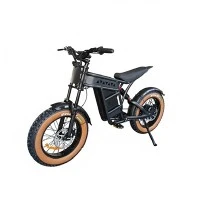
- 48V 26Ah Dual Battery Moped Style Ebike: This bike is equipped with a dual battery system, providing a longer range and more power. It also features a moped-style design, which is more stable and comfortable to ride in windy conditions.
- 1000W 48V Electric Bike for Food Delivery: This bike is powered by a 1000W motor, providing plenty of power to tackle hills and headwinds. It also features a high-capacity battery, ensuring that you can make multiple deliveries without having to recharge.
- Food Delivery Ebike: This bike is designed specifically for food delivery, with a large cargo rack and a comfortable seat. It also features a powerful motor and a long-range battery, making it ideal for use in coastal areas.
Maintenance Tips for Coastal Areas
In addition to choosing the right bike, it's also important to take proper care of your food delivery electric bike when using it in a coastal area. Here are some maintenance tips to help you keep your bike in good condition:
Rinse the Bike After Each Use: After each use, rinse the bike with fresh water to remove any saltwater or dirt. Pay special attention to the electrical components, brakes, and gears.
Dry the Bike Thoroughly: After rinsing the bike, dry it thoroughly with a clean cloth. Make sure to dry all the electrical components, brakes, and gears to prevent corrosion.
Lubricate the Chain and Gears: Regularly lubricate the chain and gears to prevent rust and corrosion. Use a high-quality lubricant that is designed for use in wet conditions.
Check the Tires and Brakes: Regularly check the tires and brakes to ensure that they are in good condition. Replace the tires if they are worn or damaged, and adjust the brakes if they are not working properly.
Store the Bike Indoors: When not in use, store the bike indoors in a dry place. This will help to protect the bike from the elements and prevent corrosion.
Conclusion
In conclusion, using a food delivery electric bike in a coastal area is possible, but it requires careful consideration and proper maintenance. By choosing the right bike, taking proper care of it, and following the maintenance tips outlined in this blog post, you can ensure that your bike performs well and lasts for a long time.
If you're interested in purchasing a food delivery electric bike for use in a coastal area, please contact us to discuss your options. We'd be happy to help you choose the right bike for your needs and provide you with any additional information or support you may need.
References
- General knowledge about electric bike design and coastal environmental impacts.
- Product specifications of our food delivery electric bikes.