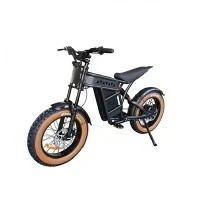
As a supplier of fat tire electric bikes, I understand the importance of maintaining proper tire pressure for optimal performance and safety. In this blog post, I'll share with you how to check the tire pressure of a fat tire electric bike, ensuring that your rides are smooth, efficient, and worry - free.
Why is Proper Tire Pressure Important?
Before we dive into the process of checking tire pressure, let's understand why it matters. Correct tire pressure is crucial for several reasons. Firstly, it affects the handling of your fat tire electric bike. Under - inflated tires can make the bike feel sluggish and difficult to steer, while over - inflated tires may lead to a harsh ride and reduced traction. Secondly, proper tire pressure helps to extend the lifespan of your tires. When tires are at the right pressure, they wear more evenly, reducing the risk of premature wear and tear. Finally, maintaining the correct pressure can improve the energy efficiency of your electric bike. Under - inflated tires increase rolling resistance, which means your battery has to work harder to move the bike, resulting in reduced range.
Tools You'll Need
To check the tire pressure of your fat tire electric bike, you'll need a few basic tools. The most important one is a tire pressure gauge. There are several types available, including digital and analog gauges. Digital gauges are generally more accurate and easier to read, but analog gauges can also do the job effectively. You can find tire pressure gauges at most bike shops or online retailers. Additionally, you may need an air pump to add or release air from the tires if the pressure is not within the recommended range.
Finding the Recommended Tire Pressure
The recommended tire pressure for your fat tire electric bike can usually be found in a few different places. One common location is on the sidewall of the tire itself. Look for a label that indicates the minimum and maximum pressure values. For example, it might say something like "30 - 50 PSI" (pounds per square inch). This means that the tire should be inflated to a pressure between 30 and 50 PSI.
Another place to find the recommended pressure is in the owner's manual of your electric bike. The manufacturer will provide specific guidelines based on the model and tire specifications. If you don't have the owner's manual, you can often find it on the manufacturer's website.
Checking the Tire Pressure
Now that you have the necessary tools and know the recommended pressure, it's time to check the tire pressure. Here's a step - by - step guide:


- Prepare Your Bike: Make sure your bike is on a flat, stable surface. You can either stand the bike up on its kickstand or use a bike stand to keep it steady.
- Remove the Valve Cap: Unscrew the valve cap from the tire valve. Keep the valve cap in a safe place so you don't lose it.
- Attach the Pressure Gauge: Press the pressure gauge firmly onto the valve stem. You should hear a brief hiss of air as the gauge makes contact. Hold the gauge in place until the reading stabilizes.
- Read the Pressure: Look at the gauge to see the current tire pressure. If you're using a digital gauge, the reading will be displayed clearly on the screen. For an analog gauge, read the value where the needle points.
- Compare with the Recommended Pressure: Check if the measured pressure is within the recommended range. If it's too low, you'll need to add air; if it's too high, you'll need to release some air.
- Add or Release Air: If the pressure is too low, attach your air pump to the valve stem and add air in short bursts. After each burst, check the pressure again with the gauge. If the pressure is too high, gently press the pin in the center of the valve stem with a small object (like a pen tip) to release some air. Check the pressure frequently as you release air to avoid over - deflating the tire.
- Replace the Valve Cap: Once the tire pressure is within the recommended range, screw the valve cap back onto the valve stem. This helps to keep dirt and moisture out of the valve.
Frequency of Checking Tire Pressure
It's a good idea to check the tire pressure of your fat tire electric bike regularly. As a general rule, you should check the pressure at least once a week, especially if you use the bike frequently. If you notice any changes in the way the bike rides, such as a bumpy ride or difficulty steering, it's also a good time to check the tire pressure.
Special Considerations for Fat Tire Electric Bikes
Fat tire electric bikes have wider tires compared to traditional bikes, which can affect the tire pressure requirements. The wider tires provide more stability and traction, especially on soft surfaces like sand or snow. However, they also require a different approach to tire pressure.
For fat tire electric bikes used in snow, you may want to run the tires at a lower pressure to increase the contact area with the ground and improve traction. You can refer to our Electric Fat Bike Snow models for more information on using fat tire electric bikes in snowy conditions.
On the other hand, if you're using a Fat Tire Moped Style Ebike, which is designed for more urban or paved riding, you may want to keep the tire pressure closer to the higher end of the recommended range for better efficiency.
Our Electric Fat Tire Bikes for Adults are built to handle a variety of terrains, but proper tire pressure is essential for getting the most out of your ride.
Conclusion
Checking the tire pressure of your fat tire electric bike is a simple yet important maintenance task that can greatly enhance your riding experience. By following the steps outlined in this blog post, you can ensure that your tires are always at the right pressure, which will improve handling, extend tire life, and increase energy efficiency.
If you're in the market for a high - quality fat tire electric bike or have any questions about tire maintenance, we're here to help. Whether you're a casual rider or a serious cyclist, our range of fat tire electric bikes is designed to meet your needs. Contact us to start a procurement discussion and find the perfect bike for you.
References
- "Bicycle Tire Maintenance Guide", Bicycle Retailer and Industry News
- "The Importance of Proper Tire Pressure", Cycling Weekly