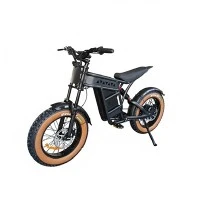
As a supplier of urban electric motorcycles, I've witnessed firsthand the remarkable evolution of battery management systems (BMS) in this industry. These systems are the unsung heroes behind the smooth operation, safety, and longevity of our electric motorcycles. In this blog, I'll delve into how the battery management system of an urban electric motorcycle works and why it's crucial for the overall performance of our products.
The Basics of a Battery Management System
At its core, a battery management system is an electronic system that manages a rechargeable battery (cell or battery pack). It ensures the battery operates within safe limits, monitors its state, calculates secondary data, reports that data, controls its environment, authenticates it, and protects it from operating outside its safe operating area.
In an urban electric motorcycle, the BMS plays a pivotal role in maintaining the health and performance of the battery pack. It's like the brain of the battery, constantly monitoring and controlling various parameters to ensure optimal operation.
Key Functions of a Battery Management System
1. State of Charge (SOC) Estimation
One of the primary functions of a BMS is to estimate the state of charge of the battery pack. This is similar to the fuel gauge in a traditional motorcycle, but it's much more complex. The BMS uses various algorithms and sensors to measure the voltage, current, and temperature of the battery cells. Based on these measurements, it calculates the remaining charge in the battery pack and displays it on the motorcycle's dashboard.
Accurate SOC estimation is crucial for riders, as it allows them to plan their trips and avoid running out of power unexpectedly. For example, if a rider knows that their battery is at 20% SOC, they can decide to recharge the motorcycle or adjust their route to reach a charging station.
2. Cell Balancing
Battery packs in urban electric motorcycles are typically made up of multiple individual cells connected in series and parallel. Over time, these cells can develop differences in their state of charge and capacity due to factors such as manufacturing variations, temperature differences, and usage patterns.
The BMS performs cell balancing to ensure that all cells in the battery pack have the same state of charge. This is important because if one cell is overcharged or undercharged compared to the others, it can lead to reduced battery life, decreased performance, and even safety issues. The BMS uses various techniques, such as passive or active balancing, to equalize the charge of the cells.
3. Overcharge and Overdischarge Protection
Overcharging and overdischarging are two of the most common causes of battery failure and safety hazards. When a battery is overcharged, it can cause the electrolyte to break down, leading to the formation of gas and heat. This can result in swelling, leakage, or even explosion of the battery. On the other hand, overdischarging can cause irreversible damage to the battery cells, reducing their capacity and lifespan.
The BMS monitors the voltage of each cell in the battery pack and prevents overcharging and overdischarging by controlling the charging and discharging processes. If the voltage of a cell reaches the upper or lower limit, the BMS will stop the charging or discharging process to protect the battery.
4. Temperature Management
Temperature has a significant impact on the performance and lifespan of a battery. High temperatures can accelerate the chemical reactions in the battery, leading to increased self-discharge, reduced capacity, and shortened lifespan. Low temperatures, on the other hand, can increase the internal resistance of the battery, reducing its ability to deliver power.
The BMS monitors the temperature of the battery cells and takes appropriate measures to maintain the temperature within the optimal range. This may include using a cooling system to dissipate heat or a heating system to warm up the battery in cold weather.
How the BMS Integrates with the Motorcycle
The BMS is not an isolated component in an urban electric motorcycle. It communicates with other systems in the motorcycle, such as the motor controller, charger, and dashboard display, to ensure seamless operation.
For example, when the rider plugs in the motorcycle to charge, the BMS communicates with the charger to control the charging process. It provides information about the battery's state of charge, temperature, and voltage to the charger, which adjusts the charging current and voltage accordingly.
Similarly, the BMS communicates with the motor controller to ensure that the battery provides the appropriate amount of power to the motor. It monitors the current draw from the battery and limits it if necessary to prevent overloading the battery.
Importance of a Reliable BMS for Urban Electric Motorcycles
A reliable BMS is essential for the success of urban electric motorcycles. Here are some reasons why:
1. Safety
Safety is the top priority when it comes to electric motorcycles. A faulty BMS can lead to overcharging, overdischarging, or overheating of the battery, which can pose a serious safety risk to the rider. A reliable BMS ensures that the battery operates within safe limits, reducing the risk of accidents and fires.
2. Performance
A well-designed BMS can improve the performance of an urban electric motorcycle. By accurately estimating the state of charge, balancing the cells, and managing the temperature, the BMS ensures that the battery delivers consistent power and range. This results in a smoother and more enjoyable riding experience for the rider.
3. Battery Lifespan
The lifespan of a battery is a significant concern for electric motorcycle owners. A reliable BMS can extend the lifespan of the battery by preventing overcharging, overdischarging, and overheating. This reduces the need for frequent battery replacements, saving the rider money in the long run.


Our Commitment to Quality BMS
As a supplier of urban electric motorcycles, we understand the importance of a reliable BMS. That's why we use high-quality BMS in all our products. Our BMS are designed and tested to meet the highest standards of safety, performance, and reliability.
We offer a range of urban electric motorcycles with different battery capacities and power outputs to suit the needs of different riders. For example, our 3000W Racing Off Road Electric Motorcycle is designed for off-road enthusiasts who need a powerful and durable motorcycle. Our Lithium Battery Electric Dirt Bike for Adults is perfect for riders who want a lightweight and agile motorcycle for urban commuting. And our Electric Motorcycle Bike for Adults offers a comfortable and stylish riding experience for everyday use.
Contact Us for Procurement
If you're interested in purchasing our urban electric motorcycles or have any questions about our battery management systems, we'd love to hear from you. Our team of experts is ready to assist you with your procurement needs and provide you with all the information you need to make an informed decision.
References
- Battery Management Systems: Design by Systems Engineering, by Thomas J. Liehr and Thomas D. Gage
- Electric Vehicle Battery Management Systems: A Review, by Xiong et al.
- Fundamentals of Electric Vehicles, by Omer C. Onar and Burak Ozpineci