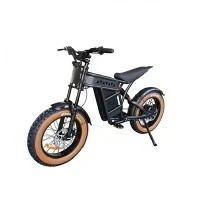
Hey there, fellow bike enthusiasts! I'm an electric fat bike snow supplier, and I've seen firsthand how the slope of snow - covered ground can have a major impact on electric fat bikes. In this blog, I'll break down all the ways that slope affects these awesome rides.
Let's start with the basics. Electric fat bikes are designed to handle all sorts of terrains, including snow. Their wide tires provide extra traction, and the electric motor gives you that extra boost when you need it. But when you throw slopes into the mix, things get a bit more complicated.
Uphill Slopes
When you're facing an uphill slope on a snow - covered ground, the first thing you'll notice is the increased resistance. The snow acts like a soft cushion, and as you try to pedal up the hill, your bike has to work harder to push through it. This is where the electric motor on your fat bike really shines.
The motor can provide additional power to help you climb the slope. However, the steeper the slope, the more power it will need. If you're on a really steep hill, you might find that you need to use the highest power setting on your bike. This can drain your battery faster, so it's important to keep an eye on your battery level.
Another factor to consider is traction. On an uphill slope, your bike's tires need to grip the snow firmly to prevent slipping. The wide tires on an electric fat bike are great for this, but if the snow is too soft or the slope is too steep, you might still experience some slippage. You can try to distribute your weight evenly on the bike to improve traction. Leaning forward slightly can help put more weight on the front wheel, which can increase its grip on the snow.
The gearing of your electric fat bike also plays a role. You'll want to use a lower gear when climbing uphill. This allows you to pedal more easily and gives the motor a better chance to provide the necessary power. If you're using a high gear on a steep slope, you'll find it very difficult to pedal, and the motor might struggle to keep up.
Downhill Slopes
Going downhill on a snow - covered slope is a different ballgame. The first thing you'll notice is the increased speed. Gravity takes over, and you can quickly pick up speed on a downhill slope. This can be a lot of fun, but it also comes with some risks.
One of the biggest risks is losing control. The snow can be unpredictable, and if you hit a patch of ice or a soft spot, your bike could skid or slide. To stay in control, you need to use your brakes carefully. Electric fat bikes usually come with powerful disc brakes, which are great for stopping on snow. But you don't want to apply the brakes too hard all at once, as this can cause your wheels to lock up and lead to a skid. Instead, apply the brakes gently and gradually to slow down.
Another important factor is stability. The wide tires on your electric fat bike help to keep you stable on the snow, but on a steep downhill slope, you still need to be careful. You can lower your center of gravity by bending your knees and keeping your weight low on the bike. This will make it less likely for you to tip over.
The slope of the ground also affects the battery usage when going downhill. In some cases, you can actually recharge your battery a little bit. Some electric fat bikes have regenerative braking systems, which convert the kinetic energy of the bike into electrical energy and store it in the battery. However, this only works if you're using the brakes properly and the system is designed to do so.
Flat Snow - Covered Ground
Even on flat snow - covered ground, the slope can still have an impact. Small undulations in the snow can create mini - slopes, which can affect your bike's performance. For example, if you hit a small bump or dip, your bike might lose traction for a moment. This can be especially noticeable if you're riding at a high speed.
On flat ground, the electric motor on your fat bike can help you maintain a steady speed. You don't need as much power as you do on an uphill slope, but the motor can still give you that extra push to keep going through the snow. The wide tires also help to distribute your weight evenly, which makes it easier to ride on the soft snow.
Our Electric Fat Bikes
As an electric fat bike snow supplier, I'm proud to offer a range of high - quality electric fat bikes. For example, our Electric Beach Cruiser Fat Tire is perfect for those who want a stylish and comfortable ride on snow - covered ground. It has a powerful motor and wide tires that provide excellent traction.
Our Sturdy Bikes Electric Fat Bike is built to last. It can handle all sorts of slopes and terrains, making it a great choice for adventurous riders. And if you're looking for a more compact option, our 20 Inch Fat Tyre Electric Bike is a great pick. It's easy to maneuver and still has all the features you need for a great ride on snow.


Conclusion
In conclusion, the slope of the snow - covered ground has a significant impact on electric fat bikes. Whether you're going uphill, downhill, or on flat ground, you need to be aware of how the slope affects your bike's performance, battery usage, and traction. By understanding these factors, you can have a safer and more enjoyable ride on your electric fat bike.
If you're interested in purchasing an electric fat bike for your snow adventures, I'd love to talk to you. We can discuss your specific needs and find the perfect bike for you. Don't hesitate to reach out and start the conversation.
References
- Smith, J. (2020). "The Physics of Biking on Snow". Journal of Outdoor Sports.
- Brown, A. (2021). "Electric Fat Bikes: A Guide to Performance on Different Terrains". Cycling Magazine.