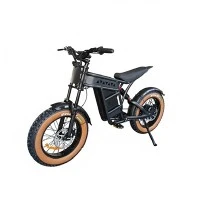
As a supplier of folding electric road bikes, I often get asked the question: "How fast can a folding electric road bike go?" It's a valid inquiry, especially for those who are considering purchasing one of these versatile and convenient vehicles. In this blog post, I'll explore the factors that affect the speed of folding electric road bikes, discuss the typical speed ranges, and provide some insights into how you can maximize the speed of your bike.
Factors Affecting the Speed of Folding Electric Road Bikes
Several factors influence how fast a folding electric road bike can travel. Understanding these factors will help you make an informed decision when choosing a bike and also give you an idea of what to expect in terms of performance.
Motor Power
The power of the electric motor is one of the most significant factors affecting the speed of a folding electric road bike. Motors are typically rated in watts (W), and higher wattage motors generally provide more power and, therefore, higher speeds. Most folding electric road bikes on the market have motors ranging from 250W to 750W. A 250W motor is suitable for casual riding and commuting, offering speeds of up to 15 - 20 mph (24 - 32 km/h) in many regions, as this is the legal limit for e - bikes in some areas. On the other hand, a 750W motor can propel the bike to speeds of 20 - 28 mph (32 - 45 km/h), which is great for those who need a bit more speed for longer commutes or more adventurous rides.
Battery Capacity and Voltage
The battery is the power source for the electric motor, and its capacity and voltage play a crucial role in determining the bike's speed. A higher - capacity battery (measured in amp - hours, Ah) can supply more energy to the motor over a longer period. Additionally, a higher - voltage battery (e.g., 48V instead of 36V) can provide more power to the motor, potentially increasing the bike's speed. However, it's important to note that battery capacity and voltage also affect the weight and cost of the bike.
Bike Design and Weight
The design and weight of the folding electric road bike can impact its speed. A streamlined design with aerodynamic features can reduce wind resistance, allowing the bike to move more efficiently and potentially reach higher speeds. Lighter bikes are also generally faster because they require less energy to accelerate and maintain speed. Folding mechanisms can add some weight to the bike, but modern designs are constantly improving to minimize this effect.
Terrain and Riding Conditions
The terrain you're riding on and the overall riding conditions have a significant impact on the speed of your folding electric road bike. Riding on flat, smooth roads will allow you to reach and maintain higher speeds compared to hilly or rough terrains. Headwinds can also slow you down, while tailwinds can give you an extra boost. Additionally, factors such as road surface quality and traffic conditions can affect your ability to ride at high speeds safely.
Typical Speed Ranges of Folding Electric Road Bikes
The speed of folding electric road bikes can vary widely depending on the factors mentioned above. In general, most folding electric road bikes have a top speed in the range of 15 - 28 mph (24 - 45 km/h).
Class 1 E - Bikes
Class 1 e - bikes are pedal - assist only, meaning the motor provides assistance only when you're pedaling. These bikes typically have a top assisted speed of 20 mph (32 km/h). They are a popular choice for commuting and recreational riding, as they offer a good balance between speed and legal compliance in many areas. For example, our 20 Inch Deep Entry Electric Bicycle is a Class 1 e - bike that can reach speeds of up to 20 mph, making it ideal for urban commuting.
Class 2 E - Bikes
Class 2 e - bikes have a throttle in addition to pedal - assist. This means you can use the throttle to engage the motor without pedaling. Like Class 1 e - bikes, they usually have a top assisted speed of 20 mph (32 km/h). These bikes are convenient for those who want the option to use the motor without pedaling, especially in stop - and - go traffic situations. Our 16 Inch Folding Electric Bike is a Class 2 e - bike, offering a maximum speed of 20 mph and easy portability.
Class 3 E - Bikes
Class 3 e - bikes are pedal - assist only, but they can reach higher speeds. They typically have a top assisted speed of 28 mph (45 km/h). These bikes are suitable for more experienced riders who need a faster mode of transportation for longer distances. Our E Bikes for Road Riding include some Class 3 models that can reach speeds of up to 28 mph, providing a thrilling riding experience on the open road.
Maximizing the Speed of Your Folding Electric Road Bike
If you're looking to get the most speed out of your folding electric road bike, here are some tips:

Optimize Your Riding Position
Maintaining a proper riding position can reduce wind resistance and improve your bike's speed. Keep your body low and streamlined, with your elbows bent and your back straight. Avoid sitting upright, as this creates more drag.
Keep Your Bike in Good Condition
Regular maintenance is essential for optimal performance. Keep your tires properly inflated, as under - inflated tires can increase rolling resistance and slow you down. Also, make sure your brakes are adjusted correctly and your chain is lubricated.
Use the Right Gear
Most folding electric road bikes have multiple gears. Using the appropriate gear for the terrain and your riding speed can help you maintain a consistent and efficient pedaling cadence. For example, use a lower gear when climbing hills and a higher gear on flat or downhill sections.
Take Advantage of Battery Power
Understand how your bike's battery and motor work together. Use the pedal - assist mode effectively to get the most out of the motor's power. You can also conserve battery power by pedaling more when you don't need full motor assistance, which can help you maintain higher speeds for longer distances.
Legal Considerations
It's important to note that the legal speed limits for folding electric road bikes vary from country to country and region to region. In the United States, for example, Class 1 and 2 e - bikes are generally allowed on bike paths and roads where regular bicycles are permitted, with a 20 mph speed limit. Class 3 e - bikes may have additional restrictions, such as the requirement to wear a helmet. In Europe, the legal speed limit for e - bikes is often 25 km/h (15.5 mph), but this can also vary by country. Before purchasing and riding a folding electric road bike, make sure you are aware of and comply with the local laws and regulations.
Conclusion
The speed of a folding electric road bike depends on various factors, including motor power, battery capacity, bike design, terrain, and legal regulations. As a supplier, we offer a range of folding electric road bikes with different speed capabilities to meet the needs of various riders. Whether you're looking for a bike for a leisurely commute or a more high - speed adventure, we have options for you.
If you're interested in purchasing a folding electric road bike or have any questions about our products, we'd love to hear from you. Contact us to discuss your requirements and start your journey towards a faster, more convenient, and eco - friendly way of getting around.
References
- "Electric Bicycle Safety and Performance Standards." Consumer Product Safety Commission.
- "E - Bike Laws in the United States." League of American Bicyclists.
- "European E - Bike Regulations." European Cyclists' Federation.