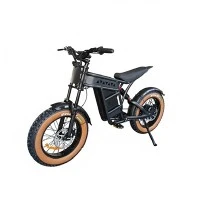
In the bustling world of food delivery services, electric bikes have emerged as a game - changer. They offer a cost - effective, eco - friendly, and efficient mode of transportation for delivering delicious meals to hungry customers. As a supplier of food delivery electric bikes, I often get asked the question: "How much does a food delivery electric bike cost?" In this blog post, I'll break down the factors that influence the price of these bikes and give you a general idea of what to expect.


Factors Affecting the Cost of Food Delivery Electric Bikes
Battery Capacity and Range
One of the most significant factors in determining the price of an electric bike is the battery. For food delivery, a long - range battery is crucial as riders need to cover a lot of ground without frequent recharging. Higher capacity batteries generally mean a higher cost. For example, a 48V 26Ah Dual Battery Moped Style Ebike comes with a powerful dual - battery system that can provide a much longer range compared to a single - battery bike. This extended range is essential for delivery riders who may be traveling to different neighborhoods throughout the day. However, the advanced battery technology and increased capacity result in a higher price tag.
Build Quality and Durability
Food delivery electric bikes are constantly on the move, navigating through different terrains and weather conditions. As such, they need to be built to last. Bikes made with high - quality materials, such as strong frames and reliable components, will be more expensive. A well - built frame can withstand the wear and tear of daily use, while durable brakes and gears ensure a safe and smooth ride. For instance, a Water Proof Ebike for Food Delivery is designed to handle wet weather, which is a common challenge for delivery riders. The additional features and materials used to make the bike water - proof contribute to its overall cost.
Speed and Power
Fast delivery is often a top priority in the food delivery business. Electric bikes with higher top speeds and more powerful motors are more expensive but can help riders complete their deliveries faster. A Fast Food Delivery Ebike is optimized for speed, allowing riders to get from one location to another in a shorter amount of time. However, the high - performance motor and the technology required to achieve these speeds increase the price of the bike.
Additional Features
Some food delivery electric bikes come with extra features that add to their convenience and functionality. These may include built - in storage compartments for food containers, USB chargers for keeping smartphones powered, and advanced GPS systems for efficient route planning. While these features can enhance the rider's experience, they also contribute to the cost of the bike. A bike with a large storage area can securely hold multiple food orders, but the added complexity of the design and the materials used for the storage feature will make the bike more expensive.
Price Ranges of Food Delivery Electric Bikes
Entry - Level Bikes
Entry - level food delivery electric bikes typically range from $800 to $1,500. These bikes usually have a basic battery with a shorter range, around 30 - 50 miles on a single charge. They may also have less - durable materials and lower - powered motors. However, they are a good option for those on a tight budget or for starting a small - scale food delivery service. The build quality is sufficient for light - duty use, and they can get the job done for short - distance deliveries.
Mid - Range Bikes
Mid - range electric bikes for food delivery generally cost between $1,500 and $2,500. These bikes offer a better balance between price and performance. They often come with larger batteries that can provide a range of 50 - 80 miles, and they are built with more durable materials. Riders can expect a more comfortable and reliable ride with mid - range bikes. They may also have some additional features, such as a small storage compartment or a basic GPS system.
High - End Bikes
High - end food delivery electric bikes can cost upwards of $2,500. These bikes are designed for maximum performance and durability. They have large - capacity batteries that can offer a range of over 80 miles, high - powered motors for fast acceleration and high speeds, and top - of - the - line components. Bikes in this category are often equipped with advanced features like high - end storage solutions, full - fledged GPS systems, and water - proofing technologies. A Ebike for Delivery Riders in the high - end segment is built to handle the most demanding delivery schedules.
Making the Right Choice
When choosing a food delivery electric bike, it's important to consider your specific needs and budget. If you're just starting out or your delivery area is small, an entry - level bike may be sufficient. However, if you plan to cover a large area or need to make multiple long - distance deliveries, a mid - range or high - end bike will be a better investment in the long run.
It's also important to consider the after - sales service and support offered by the supplier. A reliable supplier will provide maintenance services, spare parts availability, and technical support. As a food delivery electric bike supplier, I understand the unique requirements of delivery riders, and I can offer a range of options to suit different budgets and needs. Whether you're looking for a basic yet reliable bike or a high - performance machine, there's an option for you in our catalog.
Contact Us for Purchase and Discussion
If you're in the market for a food delivery electric bike, I encourage you to contact us to discuss your specific requirements. Our team of experts can help you choose the right bike based on your delivery area, expected usage, and budget. We offer a wide range of Food Delivery Ebike options, each designed to meet the challenges of the food delivery industry. We're committed to providing high - quality products and excellent customer service, so you can make your food delivery business more efficient and successful.
References
- "Electric Bicycle Market: Global Industry Analysis, Size, Share, Growth, Trends, and Forecast, 2020 - 2027." Persistence Market Research.
- "The Future of Food Delivery: Trends and Technologies." McKinsey & Company.