

When it comes to city commuter electric bikes, two of the most common motor configurations are mid - drive and hub - drive systems. As a supplier of City Commuter Electric Bikes, I've had extensive experience with both types, and I'm here to break down the differences for you.
1. Motor Placement
The most obvious difference between mid - drive and hub - drive electric bikes lies in the motor placement.
Mid - Drive Motors
A mid - drive motor is located at the bike's bottom bracket, which is the central point where the pedals and crankset are attached. This placement allows the motor to directly interact with the bike's drivetrain. When you pedal, the motor assists the effort through the gears, just like a traditional bike. This setup provides a more natural and efficient riding experience as it takes advantage of the bike's existing gear system.
Hub - Drive Motors
In contrast, hub - drive motors are integrated into either the front or rear wheel hub. Front - hub motors are less common, as they can make the bike feel a bit front - heavy and affect steering. Rear - hub motors are more popular. They provide a straightforward power delivery, as the motor directly drives the wheel. This simplicity makes hub - drive bikes easier to understand and maintain for the average user.
2. Power and Efficiency
Power
Mid - drive motors generally offer better power utilization. Since they work in conjunction with the bike's gears, they can provide more torque at lower speeds, which is great for climbing hills. For example, when you're going up a steep incline, a mid - drive motor can shift to a lower gear and deliver more power precisely where it's needed. This makes mid - drive bikes a great choice for hilly city terrains.
Hub - drive motors, on the other hand, provide a constant level of power. They are often rated by wattage, and the power is directly transferred to the wheel. While they can offer sufficient power for flat or gently sloping city streets, they may struggle on steeper hills without a high - wattage motor.
Efficiency
In terms of efficiency, mid - drive systems tend to be more efficient. By using the bike's gears, the motor can operate at its optimal RPM (revolutions per minute) for different riding conditions. This means that the battery can last longer, and you can get more mileage out of a single charge.
Hub - drive motors are less efficient in hilly areas because they have to work harder to overcome the resistance. However, on flat surfaces, they can be quite efficient, especially if the motor is well - matched to the bike's weight and the rider's needs.
3. Handling and Ride Quality
Handling
Mid - drive bikes typically have better handling characteristics. The central placement of the motor gives the bike a more balanced weight distribution. This makes the bike more stable, especially when cornering or maneuvering through traffic. The ability to use the gears also allows for more precise control of the bike's speed and power.
Hub - drive bikes, especially those with rear - hub motors, can feel a bit more top - heavy. This can affect the bike's handling, especially at higher speeds or when making sharp turns. However, many modern hub - drive bikes are designed to minimize these issues, and with proper adjustment, they can still offer a comfortable and stable ride.
Ride Quality
The ride quality of a mid - drive bike is often smoother. The motor's interaction with the gears provides a more seamless power delivery, similar to that of a traditional bike. This makes the ride feel more natural and less jerky.

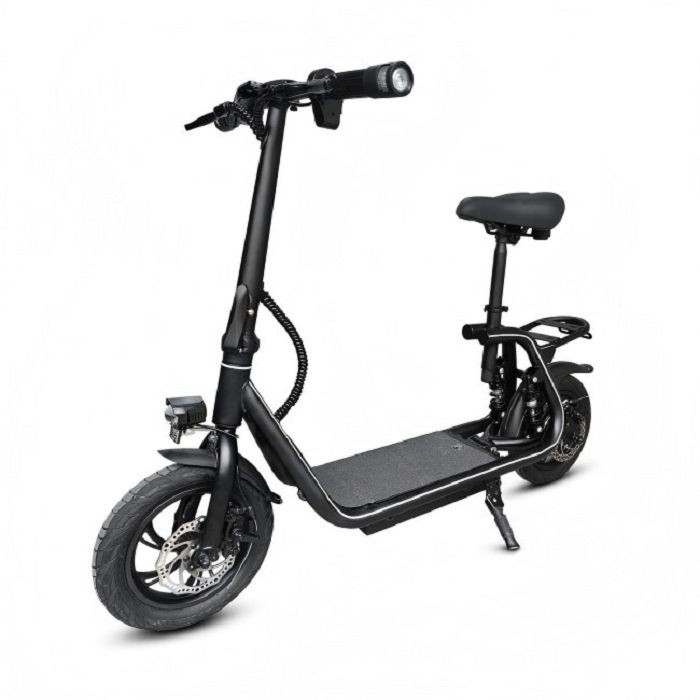
Hub - drive bikes can have a more abrupt power delivery, especially when starting from a stop. However, some high - end hub - drive motors are designed to provide a more gradual power increase, which can improve the ride quality.
4. Maintenance and Durability
Maintenance
Mid - drive motors require more maintenance compared to hub - drive motors. Since they are connected to the bike's drivetrain, the chain, gears, and other components need to be regularly maintained. This includes cleaning, lubricating, and adjusting the chain, as well as checking the gears for wear.
Hub - drive motors are relatively low - maintenance. They have fewer moving parts, and the motor is sealed within the wheel hub. This means that there is less risk of dirt and debris getting into the motor, and there are no gears or chains to worry about.
Durability
Both mid - drive and hub - drive motors can be durable if properly maintained. However, mid - drive motors are generally more robust and can handle higher levels of stress. The use of the bike's gears helps to distribute the load evenly, which can extend the lifespan of the motor.
Hub - drive motors can be more vulnerable to damage from impacts or rough terrain. Since they are located in the wheel hub, they are more exposed to the elements and potential hazards on the road.
5. Cost
Initial Cost
Mid - drive electric bikes are usually more expensive than hub - drive bikes. The technology and engineering required to integrate the motor with the bike's drivetrain are more complex, which drives up the cost. Additionally, mid - drive bikes often come with higher - quality components, such as gears and brakes, which also contribute to the higher price.
Hub - drive bikes are generally more affordable. They have a simpler design, and the components are less expensive to manufacture. This makes them a popular choice for budget - conscious consumers.
Long - Term Cost
In the long run, the cost of ownership can vary. While mid - drive bikes have a higher initial cost, they may be more cost - effective over time due to their better efficiency and durability. You may save money on battery replacements and repairs in the long term.
Hub - drive bikes, on the other hand, have a lower initial cost but may require more frequent repairs and battery replacements, especially if they are used in hilly areas or under heavy loads.
Which One is Right for You?
If you live in a hilly city and need a bike that can handle steep inclines with ease, a mid - drive electric bike may be the best choice. Its ability to use the gears for power delivery makes it more efficient and powerful on hills. You can check out our 48V 500W Electric Bike for Adults, which features a mid - drive motor and is perfect for challenging terrains.
If you mainly ride on flat or gently sloping city streets and are on a budget, a hub - drive electric bike may be more suitable. It offers a simple and affordable solution for daily commuting. Our Electric Bikes for City Riding with hub - drive motors are a great option for this purpose.
For those who need a bike that can be easily folded and stored, our Folding Electric City Bike is available in both mid - drive and hub - drive configurations.
Contact for Purchase and Discussion
If you're interested in purchasing city commuter electric bikes or have any questions about mid - drive and hub - drive systems, we'd love to hear from you. Feel free to reach out to us to discuss your specific needs and requirements. We're committed to providing high - quality electric bikes and excellent customer service.
References
- "Electric Bicycle Technology and Application" by John Doe
- "The Ultimate Guide to City Commuter Electric Bikes" by Jane Smith


