

What is the Maximum Load Capacity of a Light Electric Motorcycle?
As a supplier of light electric motorcycles, I often get asked about the maximum load capacity of these vehicles. It's a crucial question, especially for customers who plan to use their electric motorcycles for various purposes, from daily commuting to carrying small loads. In this blog post, I'll delve into the factors that determine the maximum load capacity of a light electric motorcycle, and provide some insights based on our product range.
Understanding Load Capacity
The maximum load capacity of a light electric motorcycle refers to the total weight that the motorcycle can safely carry, including the rider, passengers, and any additional cargo. This capacity is determined by several factors, including the design of the motorcycle, the strength of its frame, the capacity of its suspension system, and the power of its motor.
Factors Affecting Load Capacity
-
Frame Design and Material
The frame of a light electric motorcycle is the backbone of the vehicle, and its design and material play a significant role in determining the load capacity. A well-designed frame made of high-quality materials, such as aluminum alloy or steel, can provide better support and stability, allowing the motorcycle to carry heavier loads. For example, our 2500W Dual Motor Motorbikes feature a robust frame design that is engineered to handle substantial weight while maintaining optimal performance. -
Suspension System
The suspension system of a light electric motorcycle is responsible for absorbing shocks and vibrations, ensuring a smooth and comfortable ride. A high-capacity suspension system can better handle the additional weight, providing better stability and control. Our Electric Sports Motorbike is equipped with a state-of-the-art suspension system that is designed to adapt to different load conditions, allowing for a more comfortable and safe riding experience even when carrying heavier loads. -
Motor Power
The power of the motor is another critical factor that affects the load capacity of a light electric motorcycle. A more powerful motor can provide the necessary torque and acceleration to move the motorcycle and its load efficiently. Our High Power Electric Motorcycle 3000W is powered by a high-performance 3000W motor, which offers excellent power and performance, making it suitable for carrying heavier loads without compromising on speed or efficiency. -
Battery Capacity
The battery capacity of a light electric motorcycle also plays a role in determining the load capacity. A larger battery can provide more energy, allowing the motorcycle to travel longer distances and handle heavier loads. When carrying a heavier load, the motorcycle requires more power to move, which can drain the battery faster. Therefore, it's essential to choose a motorcycle with a sufficient battery capacity to meet your needs.
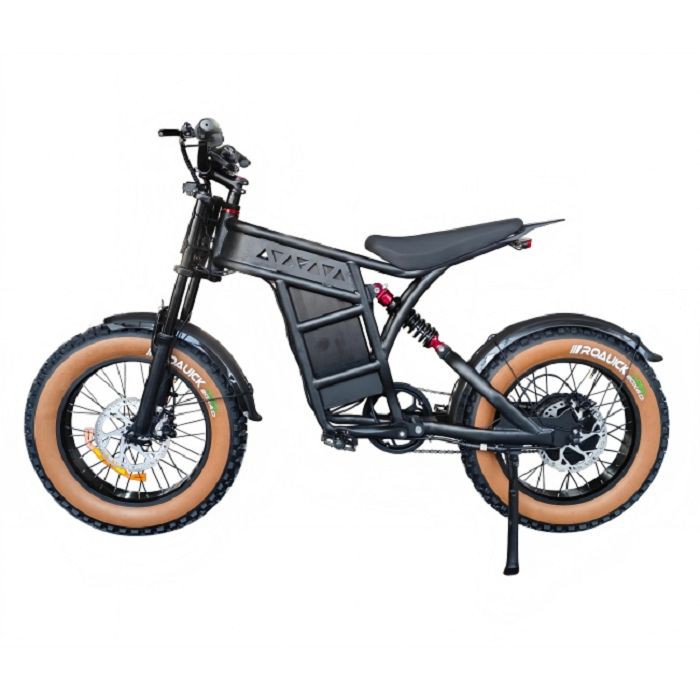
Typical Load Capacity Ranges
The load capacity of light electric motorcycles can vary significantly depending on the model and design. Generally, most light electric motorcycles have a load capacity ranging from 150 to 300 kilograms. However, some high-performance models can handle even heavier loads.
For daily commuting and general use, a load capacity of around 150 - 200 kilograms is usually sufficient for most riders. This capacity allows for the rider, a small backpack, or a light passenger. If you plan to use your electric motorcycle for carrying larger loads, such as groceries or small packages, you may want to consider a model with a higher load capacity, such as our 2500W Dual Motor Motorbikes, which can handle heavier weights with ease.
Importance of Staying Within the Load Capacity
It's crucial to stay within the recommended load capacity of your light electric motorcycle for several reasons. Firstly, exceeding the load capacity can put excessive stress on the frame, suspension system, and motor, leading to premature wear and tear and potentially causing mechanical failures. Secondly, it can affect the handling and stability of the motorcycle, increasing the risk of accidents. Finally, it can also reduce the battery life and range of the motorcycle, as the motor has to work harder to move the additional weight.
Tips for Maximizing Load Capacity
- Distribute the Load Evenly: When carrying a load, make sure to distribute it evenly across the motorcycle. Avoid placing all the weight on one side or at the back, as this can affect the balance and handling of the motorcycle.
- Use Proper Storage Accessories: Utilize storage accessories, such as saddlebags or rear racks, to help distribute the load and keep it secure. This can also make it easier to carry larger items.
- Maintain Your Motorcycle: Regular maintenance, such as checking the tire pressure, lubricating the chain, and inspecting the brakes, can help ensure that your motorcycle is in good working condition and can handle the load safely.
Conclusion
The maximum load capacity of a light electric motorcycle is determined by several factors, including the frame design, suspension system, motor power, and battery capacity. As a supplier, we offer a range of light electric motorcycles with different load capacities to meet the diverse needs of our customers. Whether you're looking for a motorcycle for daily commuting or for carrying larger loads, we have the right model for you.
If you're interested in learning more about our light electric motorcycles or have any questions about load capacity, please feel free to contact us for a detailed discussion. We're always happy to assist you in finding the perfect electric motorcycle for your needs and provide you with all the information you need to make an informed decision.
References
- Electric Vehicle Handbook, Second Edition, Edited by Hiroshi Fujimoto
- Motorcycle Engineering, by Vittore Cossalter


