

In recent years, light electric motorcycles have become an increasingly popular mode of urban transportation due to their convenience, energy - efficiency, and eco - friendliness. As a supplier of light electric motorcycles, I've often come across a crucial question from potential customers and enthusiasts: Are light electric motorcycles subject to traffic laws in the same way as cars? This article aims to delve into this topic, offering a comprehensive analysis from both legal and practical perspectives.
Defining Light Electric Motorcycles
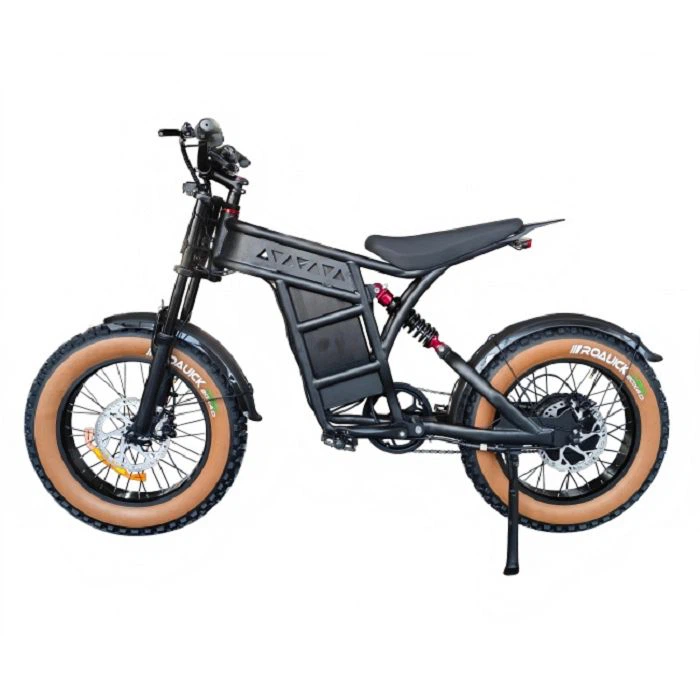
Light electric motorcycles, also known as e - scooters or e - bikes with a certain performance level, are generally characterized by their lightweight design and relatively lower power compared to traditional gasoline - powered motorcycles. They are propelled by electric motors and offer a clean alternative to combustion - engine vehicles. For example, our product range includes the Electric City Motorcycle, which is specifically designed for urban commuting, offering a balance between speed, portability, and ease of use.
Similarities in Traffic Laws
Licensing Requirements
In many regions, there are licensing requirements for riding light electric motorcycles, though these may differ from those for cars. For instance, in some areas, if the light electric motorcycle exceeds a certain speed or power threshold, the rider may be required to have a motorcycle license. In most cases, this is similar to the car - driving scenario where a valid license is a must. However, the licensing process for motorcycles can be less rigorous in terms of study material and practical tests, as motorcycles are generally considered easier to maneuver than cars in traffic.
Traffic Rules Adherence
Light electric motorcycles are expected to follow many of the same basic traffic rules as cars. This includes stopping at red lights, yielding at stop signs, and following speed limits. Just like cars, electric motorcycle riders are expected to signal their turns and lane changes. This uniformity in rule - following is crucial for maintaining overall traffic safety. For example, our 3000W Electric Racing Motorcycle is designed with turn signals and speed limiters to ensure that riders can comply with these traffic regulations.
Vehicle Registration
In some jurisdictions, light electric motorcycles may need to be registered, similar to cars. The registration process usually involves providing details about the vehicle, such as its make, model, and identification number. This is done to keep track of vehicles on the road and to ensure that they meet safety and environmental standards. Registration also helps in cases of theft or other legal matters. Our Electric Motorcycle Dual Sport comes with all the necessary documentation to facilitate the registration process in regions where it is required.
Differences in Traffic Laws
Right - of - Way Considerations
While light electric motorcycles share many traffic rules with cars, there are differences when it comes to right - of - way. In some situations, electric motorcycles, being smaller and more maneuverable, may have different rights compared to cars. For example, in some bike lanes or dedicated motorcycle lanes, electric motorcycles may have priority over cars. This is because these lanes are designed to provide a safer and more efficient route for two - wheeled vehicles.
Parking Regulations
Parking rules for light electric motorcycles are often more lenient than those for cars. Electric motorcycles can usually be parked in areas where cars are not allowed, such as bike racks or small designated motorcycle parking spots. This is a significant advantage for electric motorcycle riders, especially in crowded urban areas where finding parking for a car can be a challenge.
Insurance Requirements
In many cases, the insurance requirements for light electric motorcycles are less strict than those for cars. While car insurance is often mandatory and can be quite expensive, electric motorcycle insurance may be optional in some areas or relatively cheaper. However, it is still advisable for riders to get insurance to protect themselves and others in case of an accident.
Practical Implications for Riders and the Industry
Rider Behavior
The similarity and difference in traffic laws have a direct impact on rider behavior. Riders need to be well - informed about both the common and unique traffic rules that apply to light electric motorcycles. For example, understanding the right - of - way rules and parking regulations can help riders avoid fines and ensure a smooth riding experience. As a supplier, we strive to educate our customers about these laws through user manuals and online resources.
Industry Development
The classification and enforcement of traffic laws for light electric motorcycles also play a crucial role in the development of the industry. Clear and consistent laws can encourage more people to choose light electric motorcycles as a means of transportation. On the other hand, ambiguous or overly restrictive laws may hinder the growth of the industry. As a supplier, we actively participate in industry discussions and advocate for laws that are fair and conducive to the development of the light electric motorcycle market.
Conclusion
In conclusion, light electric motorcycles are subject to traffic laws in some ways similar to cars, such as licensing, basic traffic rule adherence, and in some cases, registration. However, there are also significant differences, particularly in right - of - way, parking, and insurance requirements. As a supplier of light electric motorcycles, I understand that compliance with traffic laws is essential for the safety of riders and the smooth operation of traffic.
We take pride in offering high - quality light electric motorcycles like the Electric City Motorcycle, 3000W Electric Racing Motorcycle, and Electric Motorcycle Dual Sport that meet or exceed relevant safety and performance standards. If you are interested in purchasing our light electric motorcycles, or if you have any questions regarding traffic laws and our products, please feel free to contact us for further discussion and negotiation.

References
- Traffic Laws and Regulations Handbook for Urban Vehicles
- Industry Reports on Light Electric Motorcycle Development


