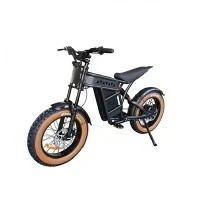
As a supplier of light electric motorcycles, I'm often asked about the feasibility and limitations of using these eco - friendly vehicles on highways. This topic is crucial as it directly impacts both the consumer's choice and the future of personal transportation. In this blog, I'll delve into the various aspects of using light electric motorcycles on highways, considering legal, safety, and performance - related factors.
Legal Limitations
The first and most significant consideration when thinking about using a light electric motorcycle on the highway is the law. In many regions, there are strict regulations regarding vehicle speed, power output, and safety equipment that determine which vehicles are allowed on highways.
In some countries, highway access is restricted to vehicles capable of maintaining a minimum speed. For example, in the United States, some states require vehicles on the highway to be able to travel at least 40 - 50 miles per hour (mph). Many light electric motorcycles have a top speed that falls below this threshold. Our Electric Sports Motorbike offers a relatively high - speed performance, but some entry - level models may not meet the required highway speed standards.
Power output is another legal factor. Some areas classify vehicles based on their motor power, and only those with a certain level of power are permitted on highways. For instance, a motorcycle might need to have an engine power equivalent of a certain number of kilowatts to be highway - legal. Our 3000W Electric Racing Motorcycle is designed with a power output that may meet the requirements in some regions, but it's essential to check local laws.
Safety equipment regulations also play a role. Highways expose riders to higher - speed traffic, so many regions require motorcycles to be equipped with proper lighting, rear - view mirrors, turn signals, and brakes. Our light electric motorcycles are designed with safety in mind, but it's still necessary for riders to ensure that their bikes comply with local safety standards before taking them on the highway.
Safety Limitations
Even if a light electric motorcycle meets all the legal requirements, there are inherent safety limitations to consider when using them on highways.


One of the main safety concerns is the motorcycle's acceleration and deceleration capabilities. Highways often require quick acceleration to merge into traffic and rapid deceleration to avoid accidents. The Electric Motorcycle Dual Sport has a decent acceleration rate, but compared to traditional gasoline - powered motorcycles or cars, it may be slower. This can put riders at risk when trying to merge into high - speed traffic.
Visibility is another safety issue. Light electric motorcycles are generally smaller than cars and traditional motorcycles, making them less visible to other road users. This can be especially dangerous on highways, where traffic is moving at high speeds. Riders need to take extra precautions, such as wearing high - visibility clothing and using reflective tape on their bikes.
The range of a light electric motorcycle is also a safety concern on highways. Highways often cover long distances, and if a motorcycle runs out of battery in the middle of the highway, it can be a very dangerous situation. Our 2500W Dual Motor Motorbikes have a relatively good range, but riders should always plan their trips carefully and be aware of charging stations along the way.
Performance Limitations
In addition to legal and safety limitations, there are performance - related factors that can affect the use of light electric motorcycles on highways.
One of the main performance issues is the battery life. High - speed riding on highways consumes more energy, which can significantly reduce the motorcycle's range. For example, if a light electric motorcycle has a range of 100 miles in city driving conditions, it may only be able to travel 60 - 70 miles on the highway due to the increased power demand. Our research shows that proper battery management and efficient motor design can help mitigate this issue, but it remains a challenge for highway use.
The handling of light electric motorcycles can also be a limitation on highways. High - speed winds and uneven road surfaces on highways require a motorcycle to have good stability and handling characteristics. While our Electric City Motorcycle is designed for city streets, it may face challenges on highways. Riders need to be experienced and confident in handling their motorcycles at high speeds.
Overcoming the Limitations
Despite these limitations, there are ways to make light electric motorcycles more suitable for highway use.
Technological advancements are constantly improving the performance of light electric motorcycles. Battery technology is evolving, with the development of high - energy - density batteries that can provide longer ranges. Motor design is also becoming more efficient, allowing for better acceleration and higher top speeds. As a supplier, we are committed to investing in research and development to bring these advanced technologies to our products.
Rider education is also crucial. By providing comprehensive training on highway safety and motorcycle handling, riders can better understand and manage the limitations of their light electric motorcycles. We offer training resources and support to our customers to ensure they have the necessary skills to ride safely on the highway.
Conclusion
In conclusion, there are indeed several limitations to using light electric motorcycles on highways, including legal, safety, and performance - related factors. However, these limitations are not insurmountable. With the continuous development of technology and proper rider education, light electric motorcycles have the potential to become a more viable option for highway use.
If you're interested in learning more about our light electric motorcycles and whether they can meet your highway - riding needs, or if you're looking to start a procurement discussion, feel free to contact us. We look forward to helping you find the perfect light electric motorcycle for your requirements.
References
- Department of Motor Vehicles (DMV) regulations in various states
- Safety reports on motorcycle highway accidents
- Technical research on electric motorcycle battery and motor technologies