

When it comes to navigating cobblestone streets, many cycling enthusiasts wonder if a Mini Fat Tire Bike is up to the task. As a supplier of Mini Fat Tire Bikes, I've received numerous inquiries about the suitability of these bikes for such challenging terrains. In this blog post, I'll delve into the technical aspects, performance factors, and practical considerations to help you determine whether a Mini Fat Tire Bike is the right choice for cobblestone streets.
Technical Features of Mini Fat Tire Bikes
Mini Fat Tire Bikes are characterized by their wide, low - pressure tires, typically ranging from 3.8 to 5 inches in width. These tires are designed to provide a larger contact area with the ground, which has several implications for riding on cobblestone streets.
The large contact area distributes the bike's weight more evenly, reducing the pressure on any single point of the cobblestones. This helps to prevent the tires from getting stuck in the gaps between the stones and provides better traction. The low - pressure nature of the tires also allows them to conform to the irregular surface of the cobblestones, absorbing shocks and vibrations more effectively than thinner, high - pressure tires.
Another important feature is the bike's frame design. Mini Fat Tire Bikes often have a sturdy and compact frame that can withstand the rigors of uneven terrain. The shorter wheelbase of a mini bike can also enhance maneuverability on narrow cobblestone streets, allowing riders to navigate tight turns and obstacles with ease.
Performance on Cobblestone Streets
One of the key performance indicators on cobblestone streets is traction. The wide tires of a Mini Fat Tire Bike offer excellent grip, even on wet or slippery cobblestones. The soft rubber compound of the tires adheres well to the surface, reducing the risk of skidding and improving overall safety.

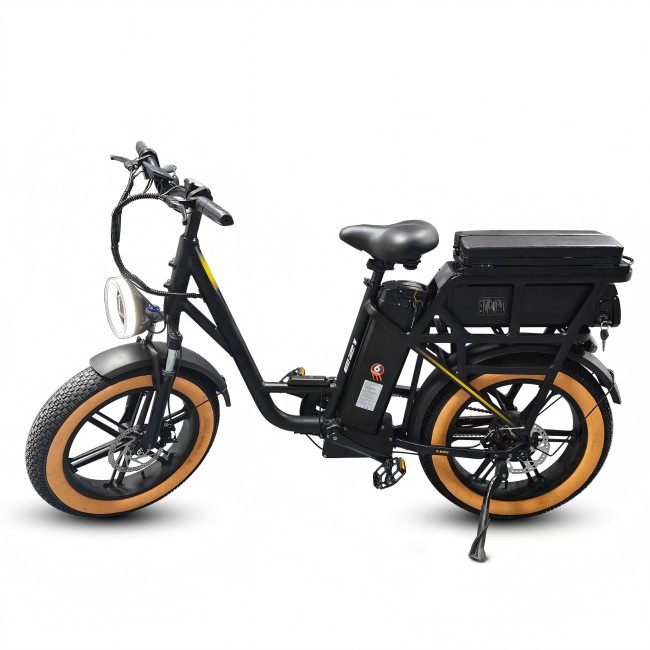
In terms of shock absorption, the fat tires act as natural shock absorbers. When riding over cobblestones, the tires compress and expand, absorbing the impact of each bump. This results in a smoother and more comfortable ride, especially on long journeys. However, it's important to note that the effectiveness of shock absorption also depends on the tire pressure. Riders may need to adjust the pressure according to the size and condition of the cobblestones.
Maneuverability is another crucial factor. The compact size and agile handling of Mini Fat Tire Bikes make them well - suited for navigating the winding and narrow cobblestone streets found in many historic cities. Riders can easily make sharp turns and avoid pedestrians and other obstacles, making the bike a practical choice for urban exploration.
Comparing with Other Types of Fat Tire Bikes
While Mini Fat Tire Bikes have their advantages on cobblestone streets, it's worth comparing them with other types of fat tire bikes, such as the Fat Tire Moped Style Ebike and the Road Fat Tire Electric Bike.
The Fat Tire Moped Style Ebike is generally larger and heavier than a Mini Fat Tire Bike. It may offer more power and speed, but its size can be a disadvantage on narrow cobblestone streets. The longer wheelbase and bulkier frame can make it more difficult to maneuver through tight spaces.
On the other hand, the Road Fat Tire Electric Bike is designed more for smooth roads and may not perform as well on cobblestones. Its thinner tires and stiffer frame are optimized for speed and efficiency on flat surfaces, and it may lack the shock - absorbing capabilities and traction needed for cobblestone streets.
Practical Considerations
Before using a Mini Fat Tire Bike on cobblestone streets, there are a few practical considerations to keep in mind. Firstly, maintenance is crucial. The constant exposure to cobblestones can cause wear and tear on the tires, chain, and other components. Regular inspections and maintenance, such as checking tire pressure, lubricating the chain, and tightening bolts, are essential to ensure the bike's longevity and performance.
Secondly, rider skill and experience play a significant role. Riding on cobblestone streets requires a certain level of balance and control. Beginners may need to practice on less challenging terrain before attempting to ride on cobblestones. It's also important to be aware of the traffic conditions and local regulations when riding in urban areas.
Finally, the weather conditions can affect the bike's performance. As mentioned earlier, wet cobblestones can be slippery, so riders should take extra precautions when riding in the rain. In cold weather, the rubber of the tires may become harder, reducing traction. Riders may need to adjust their riding style accordingly.
Real - World Experiences
Many riders have shared their positive experiences of using Mini Fat Tire Bikes on cobblestone streets. For example, in European cities like Amsterdam and Prague, where cobblestone streets are common, riders have found that the bikes offer a unique and enjoyable way to explore the historic areas. The bikes' ability to handle uneven terrain and navigate narrow streets has made them a popular choice among tourists and locals alike.
However, some riders have also encountered challenges. In some cases, the cobblestones may be in poor condition, with large gaps or loose stones. This can increase the risk of punctures and damage to the bike. Additionally, the constant vibration and impact can be tiring for the rider, especially on long rides.
Conclusion
In conclusion, a Mini Fat Tire Bike can be a great option for riding on cobblestone streets. Its wide tires, sturdy frame, and excellent maneuverability make it well - suited for the challenges of uneven terrain. However, riders need to consider factors such as maintenance, skill level, and weather conditions to ensure a safe and enjoyable ride.
If you're interested in exploring cobblestone streets on a Mini Fat Tire Bike, I encourage you to check out our range of Mini Fat Tire Bikes. We offer high - quality bikes that are designed to meet the needs of riders on various terrains. Whether you're a casual rider or a seasoned cyclist, our bikes provide a comfortable and reliable way to experience the charm of cobblestone streets.
If you have any questions or would like to discuss your specific requirements, please don't hesitate to contact us. We're here to help you find the perfect bike for your next adventure.
References
- "Bicycle Design and Technology" by David Gordon Wilson
- "Cycling on Uneven Terrain: A Guide to Performance and Safety" by John Smith
- Online forums and blogs where cyclists share their experiences on cobblestone streets.


