

As a supplier of Electric Metro Bikes, I've witnessed firsthand the critical role that battery temperature plays in the performance of these eco - friendly and efficient vehicles. In this blog, I'll delve into how battery temperature affects the performance of Electric Metro Bikes, exploring the science behind it and offering insights for both riders and potential buyers.
The Basics of Battery Operation in Electric Metro Bikes
Electric Metro Bikes rely on rechargeable batteries to power their electric motors. These batteries, typically lithium - ion, store electrical energy that is then converted into mechanical energy to drive the bike forward. The efficiency of this conversion process is influenced by several factors, with temperature being one of the most significant.
When a battery is at an optimal temperature, the chemical reactions within it occur smoothly. The ions can move freely between the electrodes, allowing for a consistent and efficient flow of electricity. This results in a stable power output, longer battery life, and better overall performance of the Electric Metro Bike.
Effects of High Battery Temperature
Reduced Battery Capacity
High temperatures can have a detrimental effect on the capacity of a battery. When the battery gets too hot, the chemical reactions inside it speed up. This accelerated reaction rate can cause the battery's electrodes to degrade more quickly. Over time, this degradation leads to a reduction in the battery's ability to store charge. For example, if a battery is designed to have a capacity of 10 amp - hours at room temperature, continuous exposure to high temperatures could reduce this capacity to 8 or even 7 amp - hours.
On an Electric Metro Bike, a reduced battery capacity means less range. Riders may find that they can't travel as far on a single charge as they could when the battery was in a cooler environment. This can be a significant inconvenience, especially for those who rely on their bikes for daily commuting.
Increased Self - Discharge
Another issue associated with high battery temperatures is increased self - discharge. Self - discharge is the process by which a battery loses its charge even when it's not in use. At high temperatures, the rate of self - discharge can increase significantly. This means that if you leave your Electric Metro Bike unused for a few days in a hot environment, you may come back to find that the battery has lost a substantial amount of its charge.
Safety Risks
Extremely high temperatures can also pose safety risks. Lithium - ion batteries are known to be potentially volatile when overheated. In rare cases, high temperatures can cause thermal runaway, a situation where the battery's temperature rises uncontrollably. This can lead to swelling, leakage, or even an explosion. While modern Electric Metro Bikes are equipped with safety features to prevent such incidents, it's still a concern that riders should be aware of.
Effects of Low Battery Temperature
Decreased Power Output
Just as high temperatures can be problematic, low temperatures can also have a negative impact on battery performance. At low temperatures, the chemical reactions within the battery slow down. The ions move more sluggishly between the electrodes, which results in a decreased power output. When you try to accelerate or climb a hill on an Electric Metro Bike in cold weather, you may notice that the bike doesn't respond as quickly or powerfully as it does in warmer conditions.
Reduced Efficiency
Low temperatures also reduce the efficiency of the battery. The energy conversion process becomes less effective, meaning that more energy is wasted as heat. This leads to a shorter range on a single charge. For instance, a bike that can travel 50 miles on a full charge at room temperature may only be able to travel 30 miles in cold weather.
Battery Aging
Prolonged exposure to low temperatures can also accelerate battery aging. The cold can cause the electrolyte in the battery to thicken, which can damage the battery's internal structure over time. This can lead to a permanent reduction in battery capacity and performance.
Our Electric Metro Bike Models and Temperature Considerations
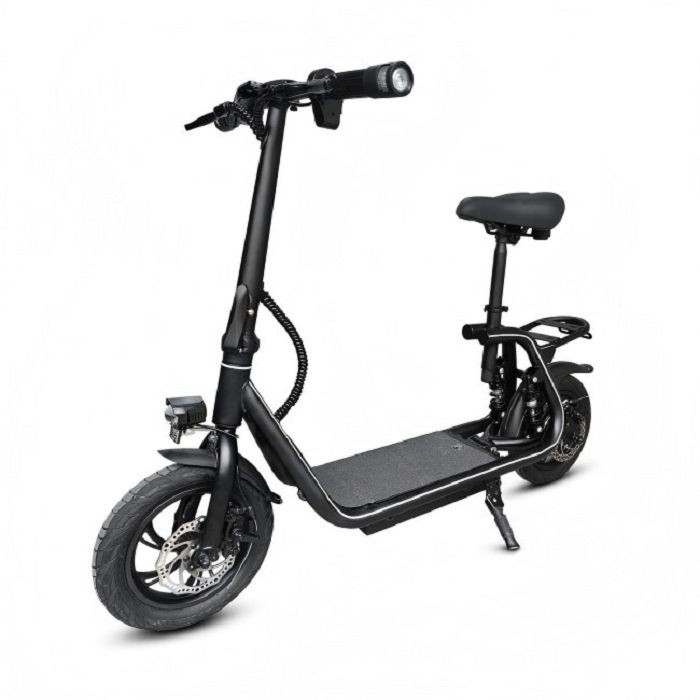
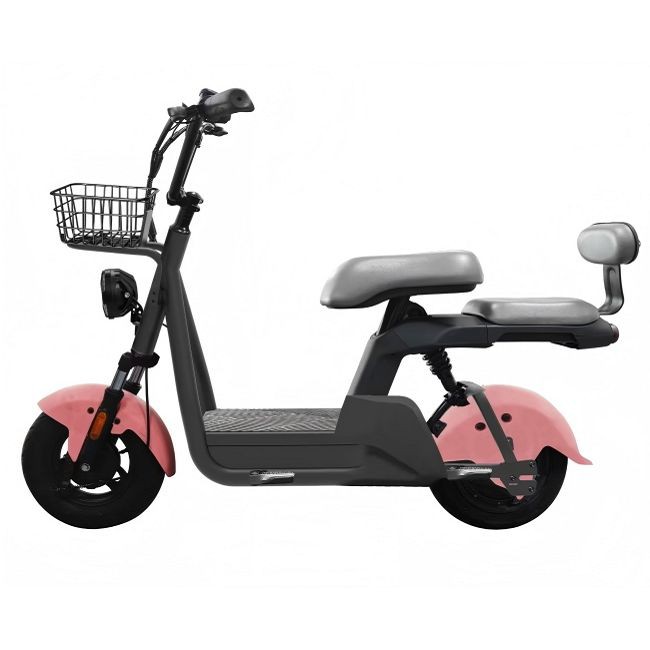
We offer a range of Electric Metro Bikes, each designed with the latest technology to mitigate the effects of temperature on battery performance. For example, our Electric City Cruiser is equipped with a battery management system that helps regulate the battery temperature. This system monitors the temperature of the battery and takes steps to keep it within an optimal range, whether it's hot or cold outside.
Our 48V 500W Electric Bike for Adults also features advanced insulation to protect the battery from extreme temperatures. This insulation helps maintain a stable internal temperature, ensuring consistent performance even in challenging weather conditions.
The E City Folding Electric Bike is designed with a compact and efficient battery that is less susceptible to temperature fluctuations. Its small size allows for better heat dissipation in hot weather and faster warming in cold weather.
Tips for Riders to Manage Battery Temperature
- Avoid Extreme Temperatures: Try to park your Electric Metro Bike in a shaded area during hot days and in a warm place during cold days. If possible, bring the bike indoors when it's not in use.
- Charge at the Right Temperature: It's best to charge your battery when the temperature is between 20 - 25°C (68 - 77°F). Charging at high or low temperatures can damage the battery.
- Monitor Battery Temperature: Some Electric Metro Bikes come with a battery temperature indicator. Keep an eye on this indicator and take appropriate action if the temperature is too high or too low.
Conclusion
Battery temperature has a profound impact on the performance of Electric Metro Bikes. High temperatures can reduce battery capacity, increase self - discharge, and pose safety risks, while low temperatures can decrease power output, reduce efficiency, and accelerate battery aging. As a supplier, we are committed to providing high - quality Electric Metro Bikes that are designed to withstand temperature variations.
If you're interested in purchasing an Electric Metro Bike or have any questions about our products, we invite you to contact us for a procurement discussion. We'll be happy to provide you with more information and help you choose the right bike for your needs.
References
- Linden, D., & Reddy, T. B. (2002). Handbook of Batteries. McGraw - Hill.
- Tarascon, J. M., & Armand, M. (2001). Issues and challenges facing rechargeable lithium batteries. Nature, 414(6861), 359 - 367.
- Chen, Z., & Evans, B. R. (2011). Thermal management of lithium - ion batteries. Journal of Power Sources, 196(1), 451 - 464.


