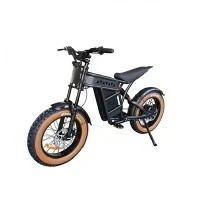
Snow-covered landscapes offer a unique and exhilarating backdrop for adventure, and electric fat bikes have emerged as a popular choice for navigating these wintry terrains. As an Electric Fat Bike Snow supplier, I've witnessed firsthand how different snow conditions can significantly impact the performance of these specialized bikes. In this blog post, I'll delve into the effects of various snow conditions, such as packed snow, powder snow, and slushy snow, on electric fat bikes.
Packed Snow
Packed snow is a common sight on well-traveled winter trails and roads. It forms when snow is compressed by the weight of vehicles, pedestrians, or other factors. Riding on packed snow can be a relatively smooth experience, but it still presents some challenges and opportunities for electric fat bikes.
One of the key advantages of packed snow is its firm surface, which provides better traction compared to loose powder snow. The fat tires of an electric bike are designed to distribute the rider's weight over a larger area, reducing the risk of sinking into the snow. This allows for more efficient pedaling and better control, especially when riding at higher speeds.
However, packed snow can also be slippery, especially if it has a thin layer of ice on top. To mitigate this risk, it's important to choose tires with good tread patterns and consider using studded tires for added grip. Additionally, riders should adjust their speed and braking distance to account for the reduced traction.
Another factor to consider when riding on packed snow is the impact on the bike's battery life. The increased resistance from the snow and the need to maintain a consistent speed can put additional strain on the battery, reducing its overall range. To maximize battery life, riders should avoid sudden acceleration and braking, and consider using the bike's lower power assist modes when possible.
Powder Snow
Powder snow is the dream snow for many winter sports enthusiasts, offering a soft and fluffy surface that feels like floating on clouds. However, it can also be a challenging terrain for electric fat bikes.
The main challenge of riding on powder snow is the lack of traction. The fat tires of an electric bike can easily sink into the soft snow, making it difficult to pedal and control the bike. To overcome this challenge, riders need to adjust their riding technique and choose the right gear.
One technique that can be effective on powder snow is to use a wider stance and distribute your weight evenly over the bike. This helps to increase the surface area of the tires in contact with the snow, improving traction. Additionally, riders should avoid pedaling too hard or too fast, as this can cause the tires to spin and lose traction.
Another important factor to consider when riding on powder snow is the bike's suspension system. A good suspension system can help to absorb the bumps and shocks of the uneven snow surface, providing a more comfortable and stable ride. Look for electric fat bikes with adjustable suspension systems that can be customized to suit your riding style and the conditions of the snow.
In terms of battery life, riding on powder snow can be more demanding on the battery compared to packed snow. The increased resistance from the soft snow and the need to use more power to maintain speed can quickly drain the battery. To extend battery life, riders should avoid riding on deep powder snow for extended periods of time and consider carrying a spare battery if possible.
Slushy Snow
Slushy snow is a combination of melting snow and ice, creating a wet and sticky surface that can be challenging to ride on. It's often found in areas where the temperature is near freezing or when the snow is starting to melt.
One of the main challenges of riding on slushy snow is the increased resistance. The wet and sticky snow can cause the tires to bind, making it difficult to pedal and control the bike. To overcome this challenge, riders need to use more power and force to move the bike forward.
Another issue with slushy snow is the risk of mud and water splashing onto the bike and the rider. This can not only make the bike dirty but also damage the electrical components if they come into contact with water. To protect the bike and yourself, it's important to wear appropriate clothing and consider using fenders to prevent mud and water from splashing onto the bike.
In terms of battery life, riding on slushy snow can also be more demanding on the battery compared to packed snow. The increased resistance and the need to use more power to move through the slushy snow can quickly drain the battery. To maximize battery life, riders should avoid riding on slushy snow for extended periods of time and consider using the bike's lower power assist modes when possible.
Choosing the Right Electric Fat Bike for Different Snow Conditions
As an Electric Fat Bike Snow supplier, I understand the importance of choosing the right bike for the specific snow conditions you'll be riding in. Here are some factors to consider when selecting an electric fat bike:
- Tire Size and Tread Pattern: The size and tread pattern of the tires play a crucial role in the bike's performance on different snow conditions. Larger tires with more aggressive tread patterns are generally better suited for deep powder snow, while smaller tires with smoother tread patterns are more suitable for packed snow and slushy snow.
- Suspension System: A good suspension system can help to absorb the bumps and shocks of the uneven snow surface, providing a more comfortable and stable ride. Look for electric fat bikes with adjustable suspension systems that can be customized to suit your riding style and the conditions of the snow.
- Battery Range and Power: The battery range and power of the electric fat bike are important considerations, especially if you plan to ride for extended periods of time or in challenging snow conditions. Look for bikes with high-capacity batteries and powerful motors that can provide sufficient power and range for your needs.
- Frame Material and Design: The frame material and design of the electric fat bike can also affect its performance and durability. Look for bikes with lightweight and durable frames that are designed to withstand the rigors of winter riding.
Our Electric Fat Bike Snow Products
At [Our Electric Fat Bike Snow Supplier], we offer a wide range of electric fat bikes that are specifically designed for winter riding. Our bikes are equipped with features such as fat tires, powerful motors, and long-lasting batteries to ensure optimal performance in different snow conditions.
Some of our popular electric fat bike models include the Mini Fat Tire Bike, Electric Beach Cruiser Fat Tire, All Terrain Step Thru Electric Bike, Fat Tire Moped Style Ebike, and Fat Tire Off Road Electric Bike. These bikes are suitable for riders of all skill levels and offer a comfortable and enjoyable riding experience in the snow.


Contact Us for Procurement and Consultation
If you're interested in purchasing an electric fat bike for winter riding or have any questions about our products, please don't hesitate to contact us. Our team of experts is available to provide you with detailed information and guidance to help you choose the right bike for your needs. We're also happy to discuss customizing options and bulk purchasing for businesses and organizations.
References
- Wilson, J. (2020). Electric Fat Bikes: A Guide to Winter Riding. Mountain Bike Monthly.
- Smith, A. (2019). The Impact of Snow Conditions on Electric Fat Bike Performance. Winter Sports Journal.
- Brown, C. (2018). Choosing the Right Electric Fat Bike for Snow Riding. Outdoor Adventure Magazine.