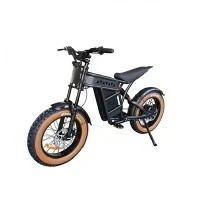
Hey there, fellow city electric motorcycle enthusiasts! I'm a supplier in the city electric motorcycle game, and I get it – a flat tire can be a real bummer. But don't worry, I'm here to walk you through how to deal with a flat tire on your city electric motorcycle like a pro.
Step 1: Stay Calm and Safe
The moment you realize you've got a flat tire on your city electric motorcycle, the first thing to do is stay calm. Panicking won't help at all. As soon as you notice something's off, like a wobbly ride or a strange noise, try to safely pull over to the side of the road. Make sure you're in a visible spot, away from traffic if possible. Turn on your hazard lights to let other drivers know you're having an issue.
Step 2: Assess the Damage
Once you're safely parked, it's time to take a look at the tire. Check for any obvious signs of damage like nails, glass, or a big tear in the tire. Sometimes, you might even be able to hear air hissing out. If you're lucky, it could just be a small puncture that you can fix on the spot. But if the tire looks completely shredded or has a huge hole, you might be in for a bit more work.
Step 3: Gather Your Tools
Before you start trying to fix the flat, you need to have the right tools. Most city electric motorcycles come with a basic toolkit, but it's always a good idea to carry a few extras. You'll need a tire patch kit, which usually includes patches, glue, and a rasp to rough up the area around the puncture. A tire lever is also essential for removing the tire from the rim. And don't forget a pump to inflate the tire once you're done.
Step 4: Remove the Wheel
If you're going to fix the flat properly, you'll need to remove the wheel from the motorcycle. This might sound a bit daunting, but it's not as hard as it seems. First, use your wrench to loosen the nuts or bolts that hold the wheel in place. Then, carefully lift the wheel out of the motorcycle. Make sure you support it properly so it doesn't fall and damage anything.
Step 5: Locate the Puncture
Once you've got the wheel off, it's time to find the puncture. You can do this by submerging the tire in water and looking for bubbles. If you don't have access to water, you can run your hand along the tire to feel for any sharp objects. Once you've found the puncture, mark it with a piece of tape or a marker.
Step 6: Patch the Puncture
Now that you've located the puncture, it's time to patch it. Start by using the rasp to rough up the area around the puncture. This will help the patch stick better. Then, apply a thin layer of glue to the rough area and let it dry for a few minutes. Once the glue is tacky, carefully apply the patch over the puncture and press it down firmly. Make sure there are no air bubbles under the patch.
Step 7: Reinstall the Wheel
After you've patched the puncture, it's time to reinstall the wheel. Carefully place the wheel back into the motorcycle and tighten the nuts or bolts. Make sure the wheel is properly aligned and that the brakes are working correctly.
Step 8: Inflate the Tire
Once the wheel is back on, it's time to inflate the tire. Use your pump to fill the tire to the recommended pressure. You can usually find this information on the side of the tire or in your motorcycle's owner's manual. Make sure you check the pressure regularly to ensure the tire is inflated correctly.
Step 9: Test Ride
Before you hit the road again, it's a good idea to take a short test ride to make sure everything is working properly. Start by riding slowly and carefully to make sure the tire feels stable. Check the brakes and steering to make sure they're working correctly. If everything feels good, you're ready to get back on the road.
Tips and Tricks
- Carry a spare tube: If you don't feel comfortable patching a tire on the side of the road, carrying a spare tube can be a lifesaver. You can easily replace the tube and get back on the road in no time.
- Check your tires regularly: Prevention is always better than cure. Make sure you check your tires regularly for signs of wear and tear. This will help you avoid flat tires in the first place.
- Practice changing a tire at home: Before you find yourself with a flat tire on the side of the road, practice changing a tire at home. This will give you the confidence and skills you need to deal with a flat tire when it happens.
Conclusion
Dealing with a flat tire on a city electric motorcycle can be a hassle, but it doesn't have to be. By following these steps and tips, you can quickly and easily fix a flat tire and get back on the road. Remember, safety is always the most important thing, so make sure you take your time and follow the proper procedures.
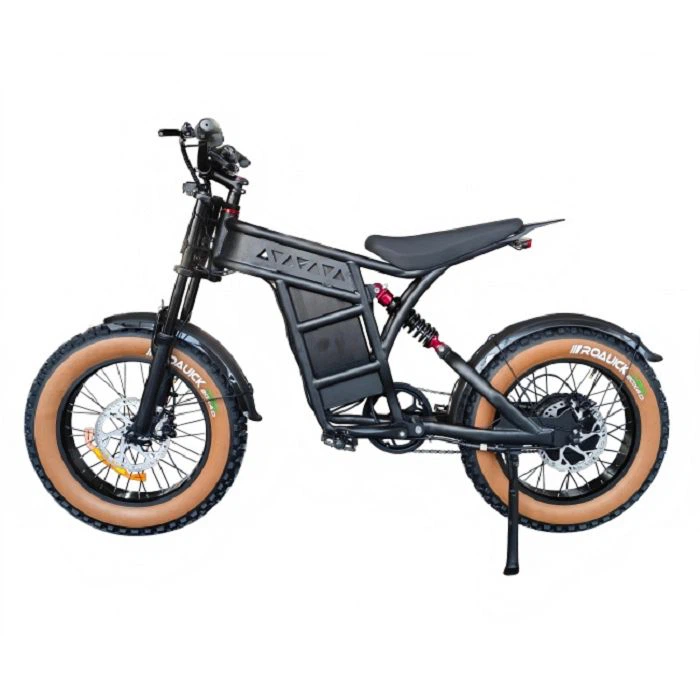

If you're in the market for a new Light Electric Motorcycle, Electric City Motorcycle, Electric Motorcycle Dual Sport, Electric Sports Motorbike, or 3000W Electric Racing Motorcycle, I'd love to chat with you. We've got a great selection of high-quality city electric motorcycles at competitive prices. Just reach out, and let's start the conversation about finding the perfect ride for you.
References
- Motorcycle Owner's Manuals
- Online Motorcycle Forums
- Tire Manufacturer's Guides